🚗 How much car can I afford?

🚘 Income & Rules
The Consumer Financial Protection Bureau warns against sizing a purchase from the sticker price alone. Interest rates, taxes, optional add-ons, and ongoing auto insurance drive what you actually pay each month.
This calculator uses the strict 20/4/10 rule to set a hard ceiling on your purchase price so you don't overextend your budget.
⛽ Ongoing Costs
Budgeting from the monthly payment alone leads to overbuying. The 10% rule caps your total transportation costs (including insurance and fuel) to keep the rest of your budget breathing.
If you commute long distances or insure a sports car, less of your budget goes to the actual vehicle.
🏦 Loan Details
Keeping your loan to 4 years caps the total interest you pay and helps you build equity faster. This prevents you from owing more than the car is worth.
The CFPB advises keeping rate shopping credit inquiries within a window of 14 to 45 days to minimize credit score impacts. Securing a strong interest rate ahead of time gives you leverage at the dealership.
💰 Vehicle Target
Putting 20% down fights being underwater on your loan the moment you drive off the lot. The CFPB notes that saving a larger down payment or simply buying a less expensive vehicle are the best levers for reducing your overall costs.
This model strips away a few real world complexities. We exclude dealer fees and local taxes that get rolled into your price, as well as the exact trade in value of your current car. Always leave a buffer in your budget.
🔗 See Also
For further related reading, check out:
Calculator updated by heyfinfam (v26.7.0) · View history
Privacy: None of your data is transmitted to the author of this view or any other third parties. Financial inputs are never used to identify you; they're only used to calculate results.
Disclaimer: This content and any calculations provided are for informational purposes only. The views, calculations, and methodologies expressed are those of the author and do not necessarily reflect those of this platform. Not financial advice. Users are solely responsible for any decisions made based on this information.
See more views
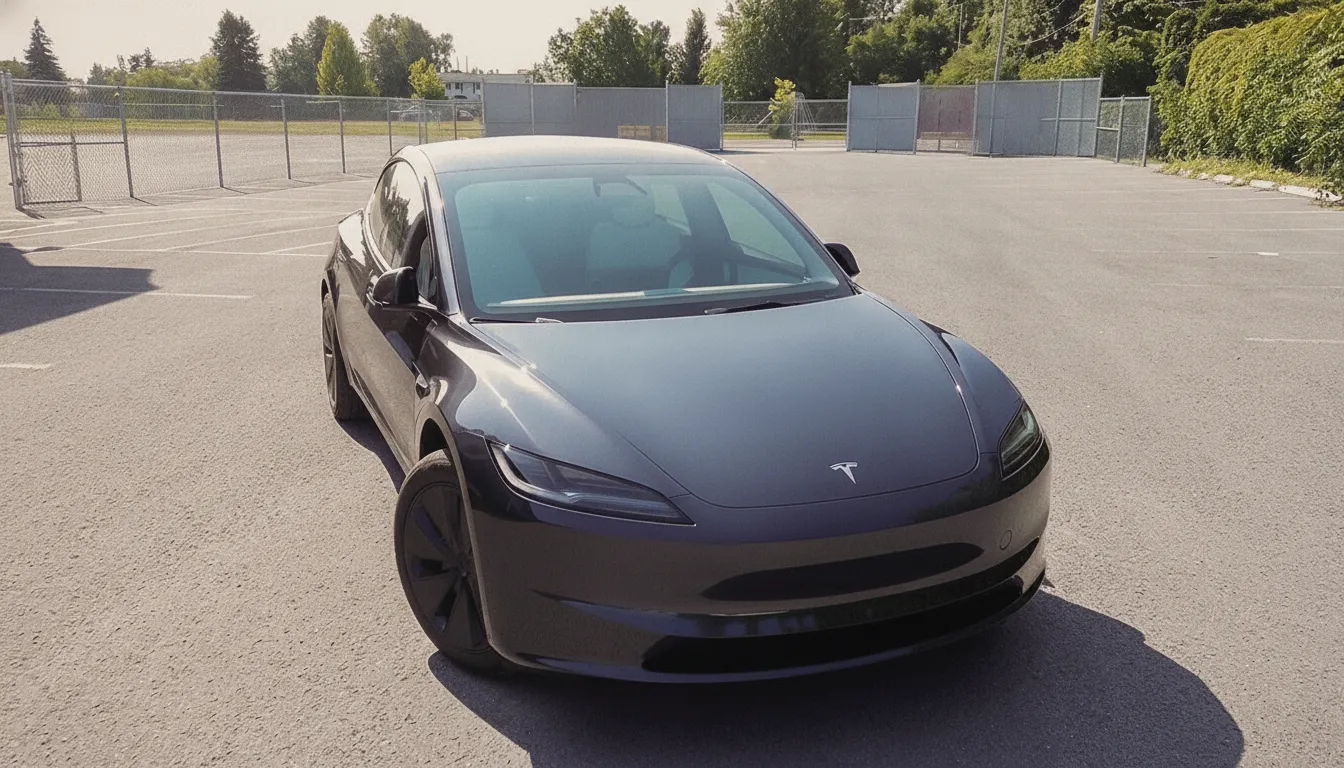
Based on "Can You Afford a Tesla? | My Monthly Cost Breakdown" by Griffin's Garage. Finance a Tesla under the strict 20/4/10 rule vs. stretching the loan term

Calculate how your down payment and credit score affect your monthly auto loan payments and total interest.
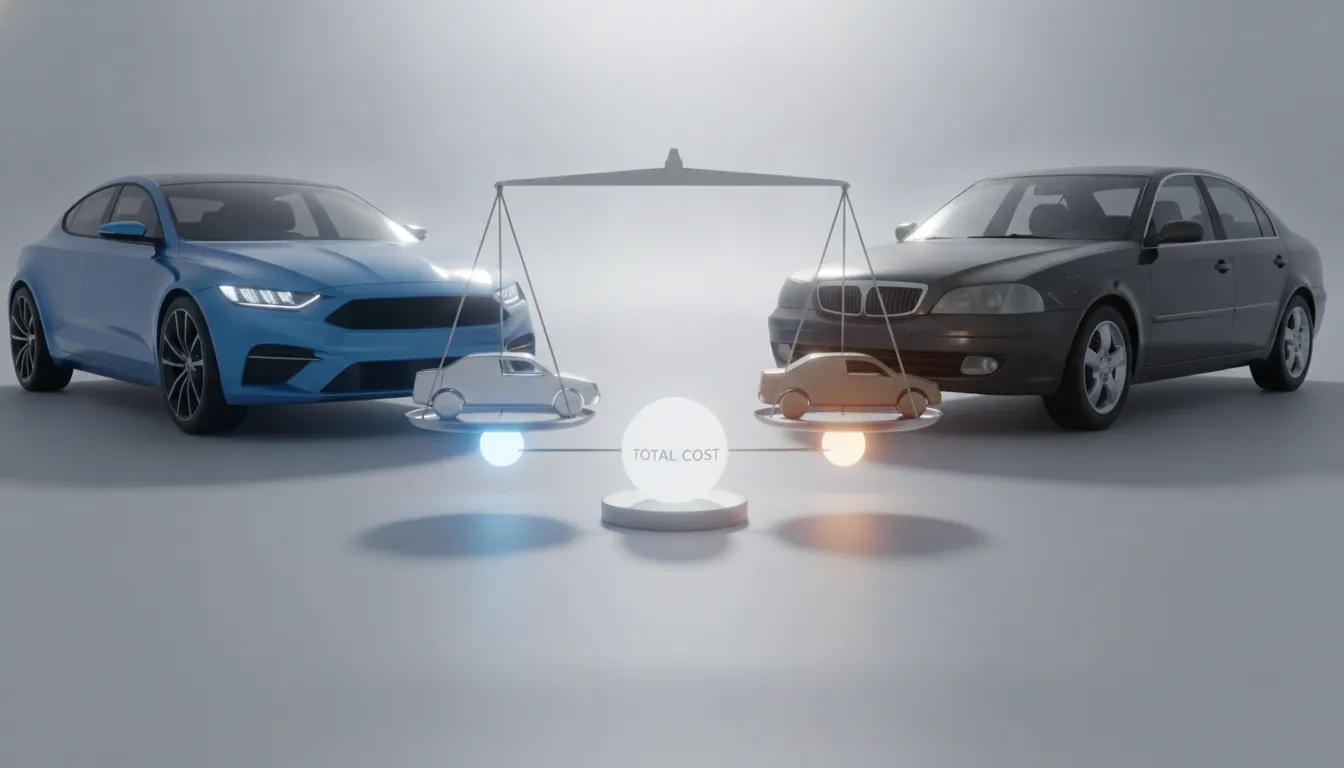
Should I buy a new or used car?
A used car is cheaper up front, but a new car depreciates slower from here on, carries a warranty, and needs fewer repairs. This calculator totals purchase, financing, maintenance, and resale value over your ownership horizon to show which really costs less.